War and Jam
George Grosz x Daniel Richter
05.09.2026 - 21.02.2027
Between the battlefield and the breakfast table, between the abyss and everyday life: the exhibition War and Jam: George Grosz x Daniel Richter brings together two of Germany’s most significant artists in a dialogue that is as surprising as it is powerful.
The contrast epitomised by the title symbolises the tension that runs through the work of both artists: the juxtaposition of violence and the ordinary, of political crisis and private life. Across some 800 m², the unsparing social analyses of George Grosz (1893–1959) meet the visually powerful, multilayered paintings of Daniel Richter (b. 1962). This opens up a cross-generational perspective on the question of how art responds to times of uncertainty.
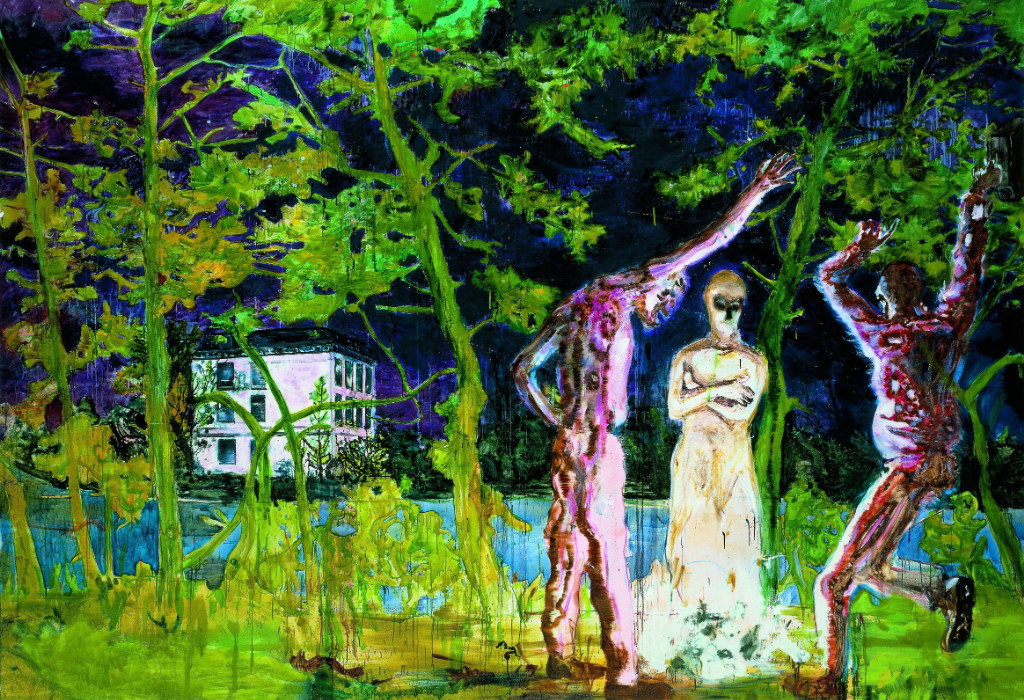
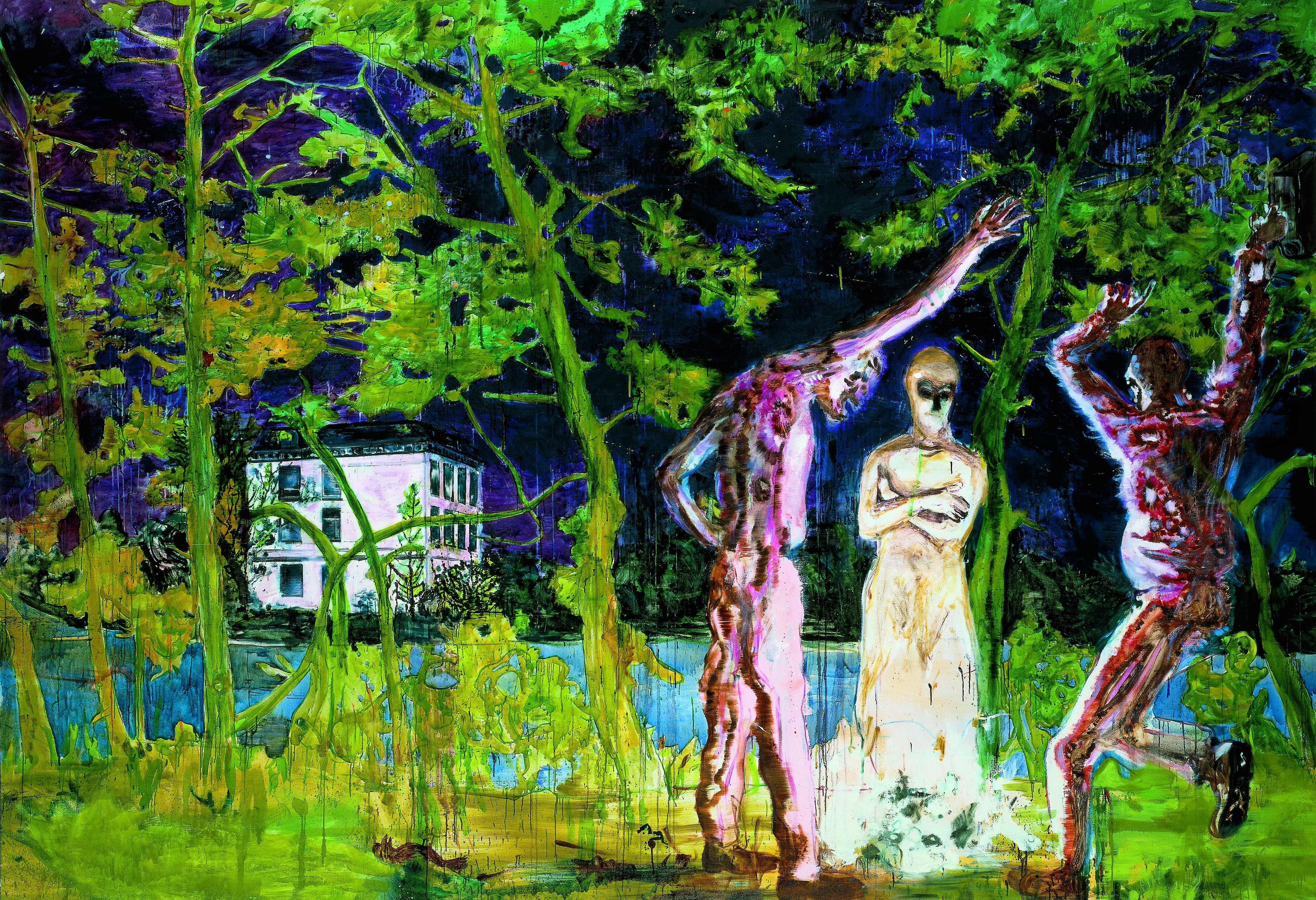
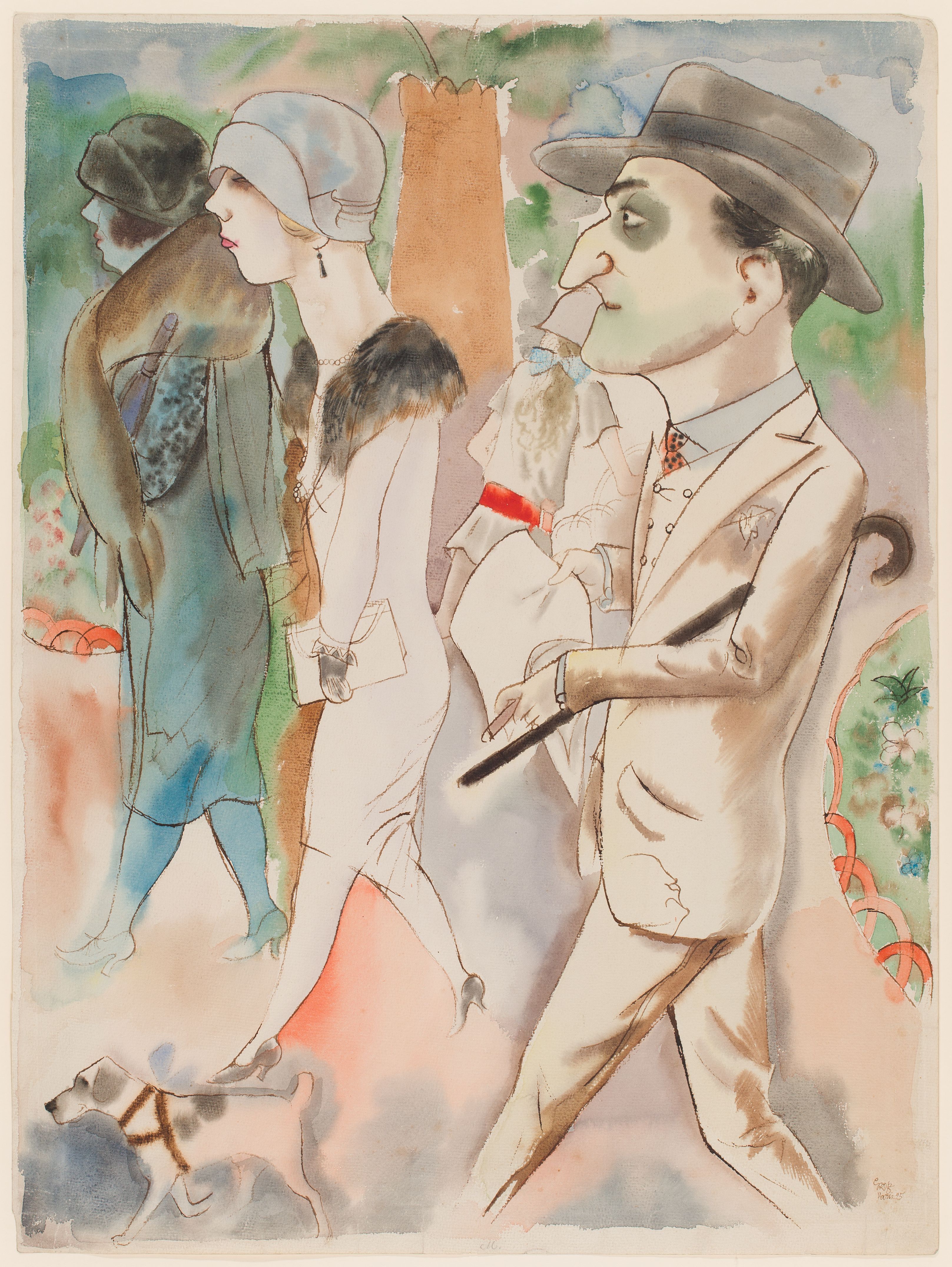
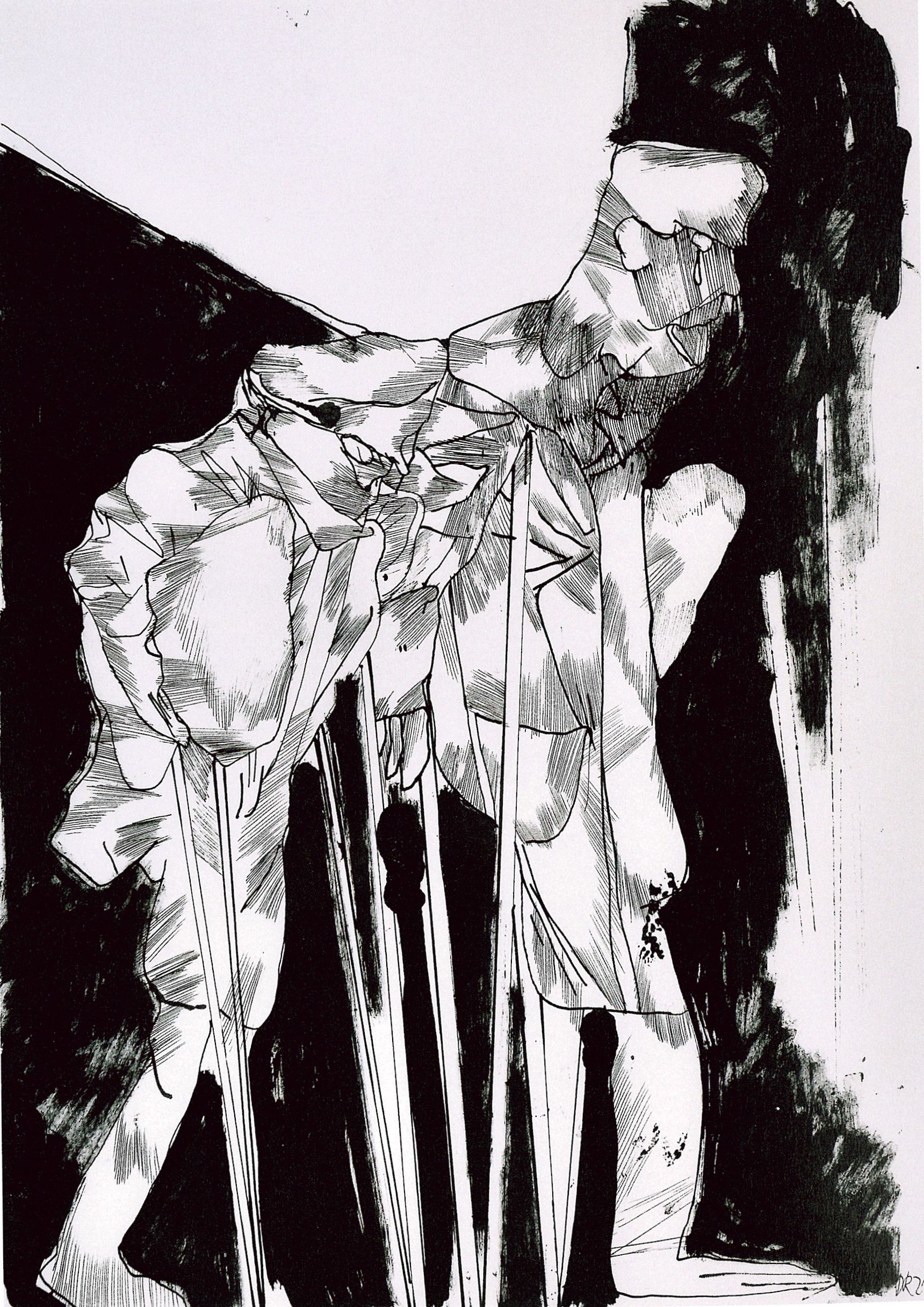
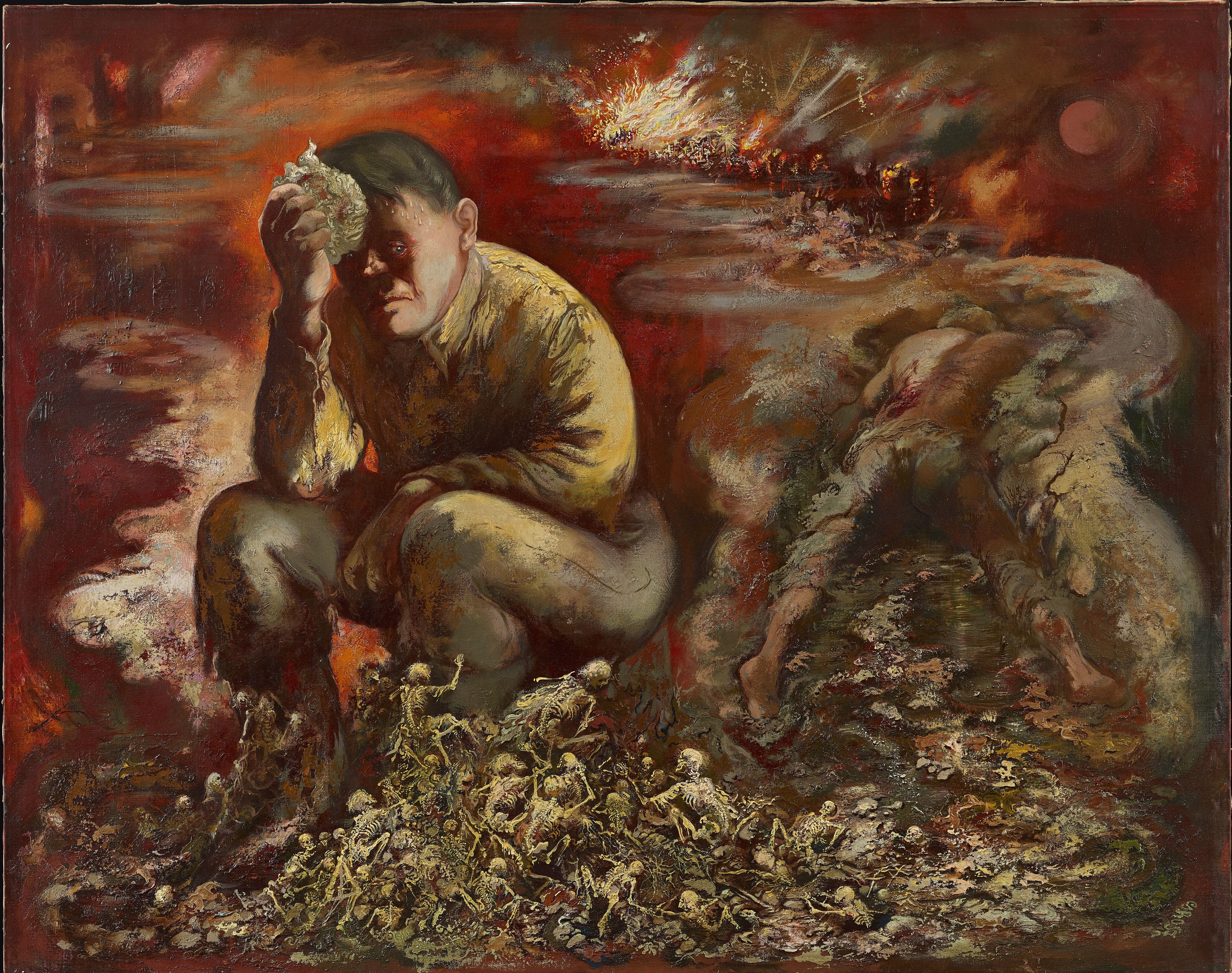
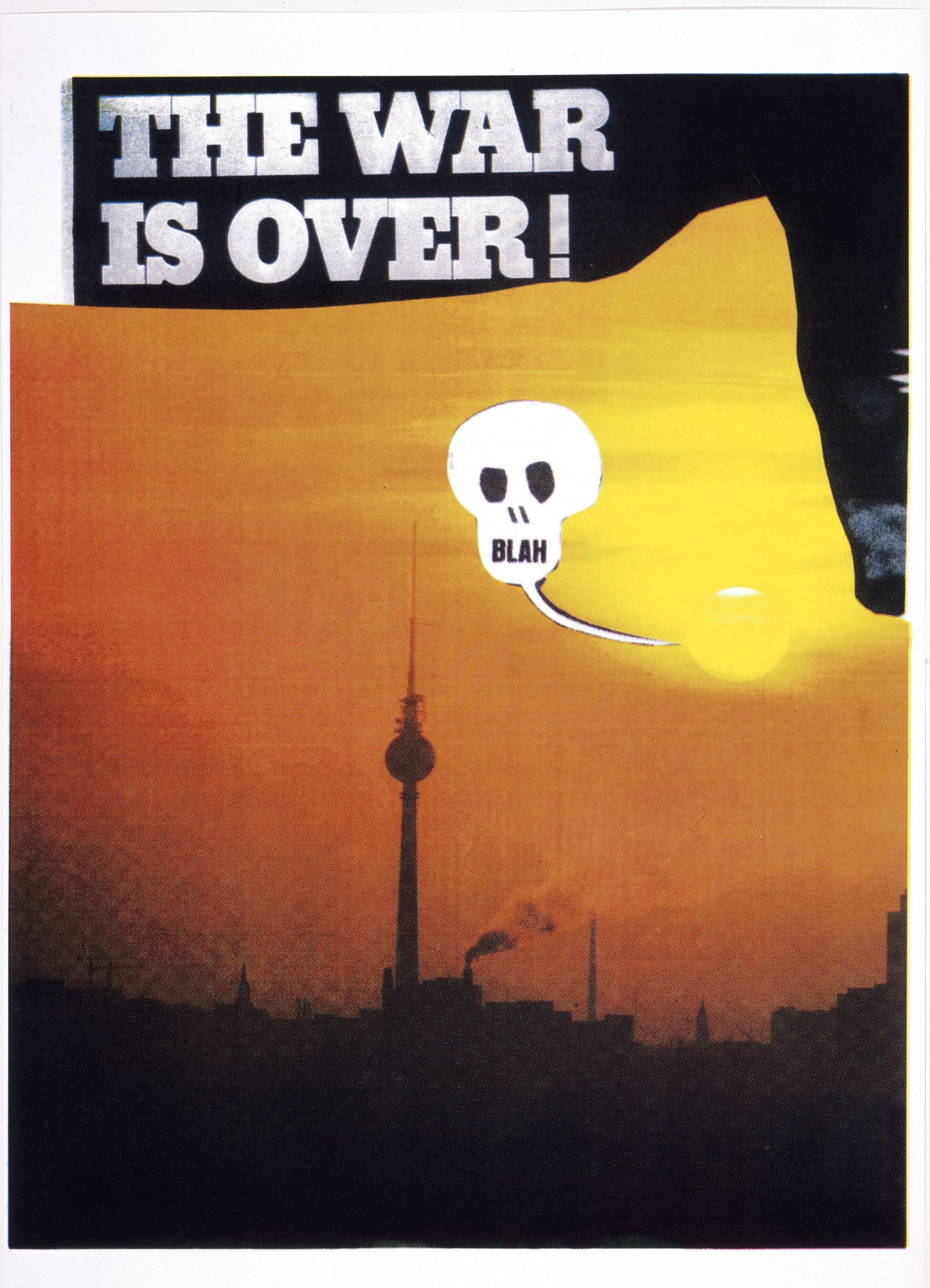
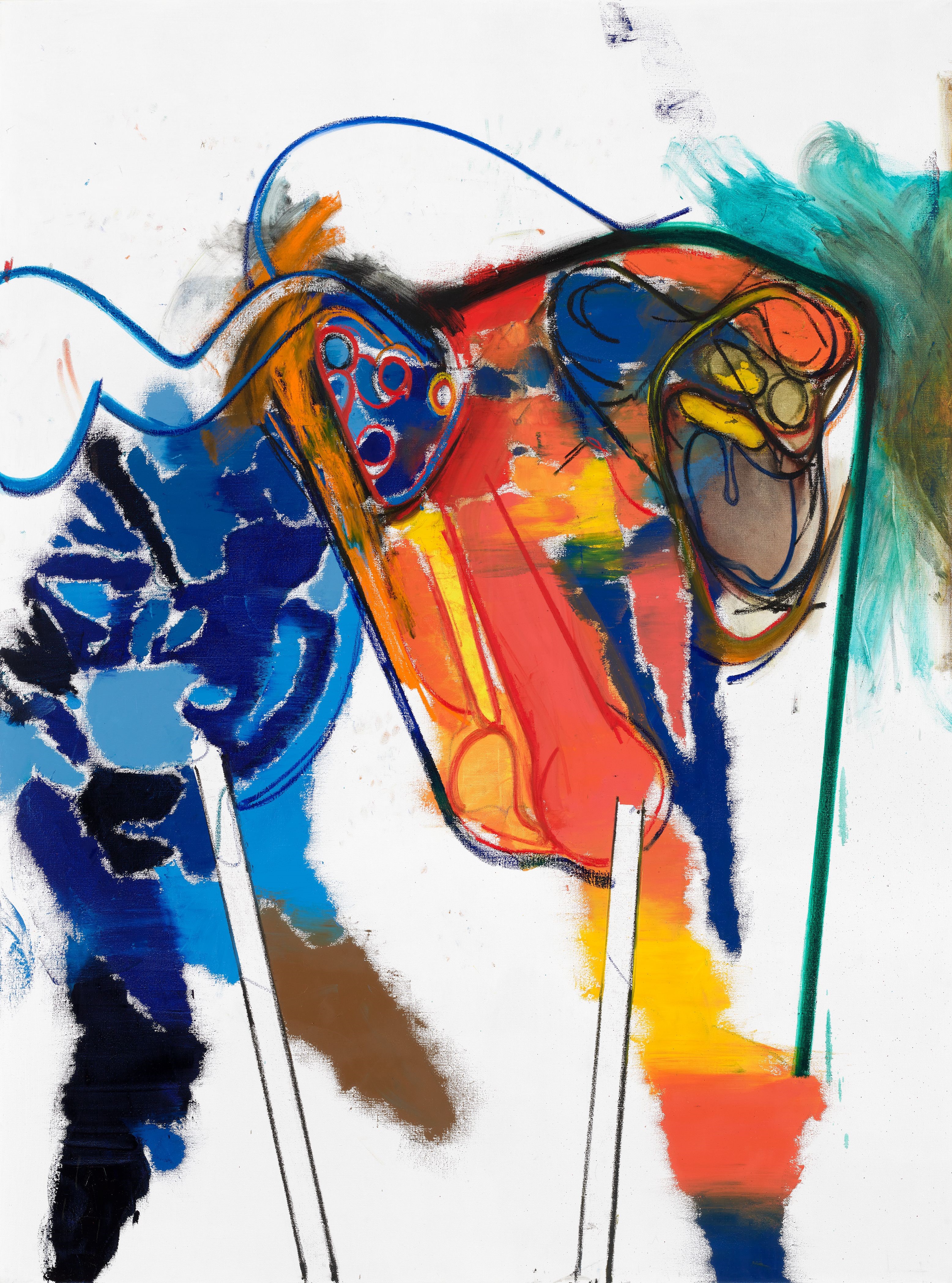
For the first time, works by both artists are systematically juxtaposed. Known as a chronicler of the Weimar Republic, Grosz dissects the social and political upheavals of his time with precise and often mercilessly honest drawings. Since the 1990s, Richter, influenced by punk, has been translating social conflicts into expressive, colour-intensive visual worlds that seek not so much to accuse as to reveal the ambivalences of the present.
Daniel Richter acknowledges the influence of George Grosz, whose drawings he encountered in a school textbook in the 1970s. Richter draws further inspiration from the deluge of images in media coverage. Socio-political events, from arson attacks on refugee accommodation in the 1990s to unlawful raids by US Immigration and Customs Enforcement (ICE), find their way into his work.
Featuring monumental paintings such as Billard um halbzehn (Billiards at Half past Nine, 2001), small-scale works and political collages rarely exhibited to date, the exhibition offers a comprehensive insight into Daniel Richter’s oeuvre. Among the highlights are works created specifically for this exhibition that make direct reference to the work of George Grosz.
The exhibition features George Grosz’s collages, as well as oil paintings, watercolours, ink drawings and portfolios. Visitors gain an insight into all his defining creative phases – from the First World War through the Weimar Republic and the rise of fascism to his time following his emigration to the United States.
With over 180 works, this special exhibition is a panorama that, rich in content and aesthetically overwhelming, celebrates the joy of art while never losing sight of social conflicts and the depths of human depravity.
| The exhibition is curated by Annette Vogel (art historian, curator and Grosz expert, Munich) and Ronja Friedrichs (deputy director of the Gustav Lübcke Museum) and has been developed in close collaboration with the artist Daniel Richter.