CITY HISTORY
A City with Strong Roots
The city of Hamm is undoubtedly a city with strong roots and can look back on a history spanning 800 years. In 1226, Count Adolf von der Mark settled political refugees from Nienbrügge as the first inhabitants in a rural stretch of land between the rivers Lippe and Ahse.

In the Middle Ages, these areas were known as ‘Ham’, and that is how our city got its name. The rivers Lippe and Ahse defined the boundaries of the capital of the County of Mark. For centuries, these waterways were also used for fishing and to supply the population with water. The city exported the locally produced linen, as well as the famous ‘Hammscher Keut’, a widely consumed variety of beer.
Following the example of shipping on the Ruhr, the Lippe was made navigable for commercial transport in 1826. With the construction of the Datteln-Hamm Canal and its own city harbour at the start of the twentieth century, the city was able to capitalise on its favourable logistical location. The connection of the city on the Hellweg to the Cologne–Minden railway line in 1847 then played a decisive role in its development into an industrial city. This marked the beginning of Hamm’s industrial development, with wire manufacturing works establishing themselves in the immediate vicinity of the railway station. Soon afterwards, further iron-processing businesses settled here in the western part of the city.
From 1901 onwards, coal mining began in the north-eastern Ruhr region around Hamm: in quick succession, the ‘de Wendel’ colliery in Herringen was established in 1901, the ‘Maximilian’ colliery in Werries in 1903, the ‘Radbod’ colliery in Bockum-Hövel in 1905 and, finally, the ‘Sachsen’ colliery in Heessen in 1912. Although the mines were not located within the boundaries of the city of Hamm, they always maintained a lively interdependence with the city and its people.
Large sections of the mining workforce held communist or social-democratic views. As early as spring 1933, they were persecuted and imprisoned in concentration camps. Furthermore, after 1933, the Higher Regional Court, which had employed a large number of lawyers and civil servants since 1820, played a disastrous role by imposing heavy sentences on the labour movement and other opponents of the regime.
It was not until the municipal reform of 1975 – which created seven new city districts (Bockum-Hövel, Heessen, Herringen, Mitte, Pelkum, Rhynern and Uentrop) across historical boundaries – that the mining sites themselves became part of the city’s territory. Incidentally, the founding of Bad Hamm in 1882 was, in a sense, a by-product of industrialisation in Hamm: people were searching for coal but instead found brine.
With the 1975 territorial reform, Hamm became a major city. However, at the same time, the star of the mining industry was already on the wane.
Please feel free to contact: Kathinka Engels
Programm
-
Mi. 21.10.14:00
Galerie
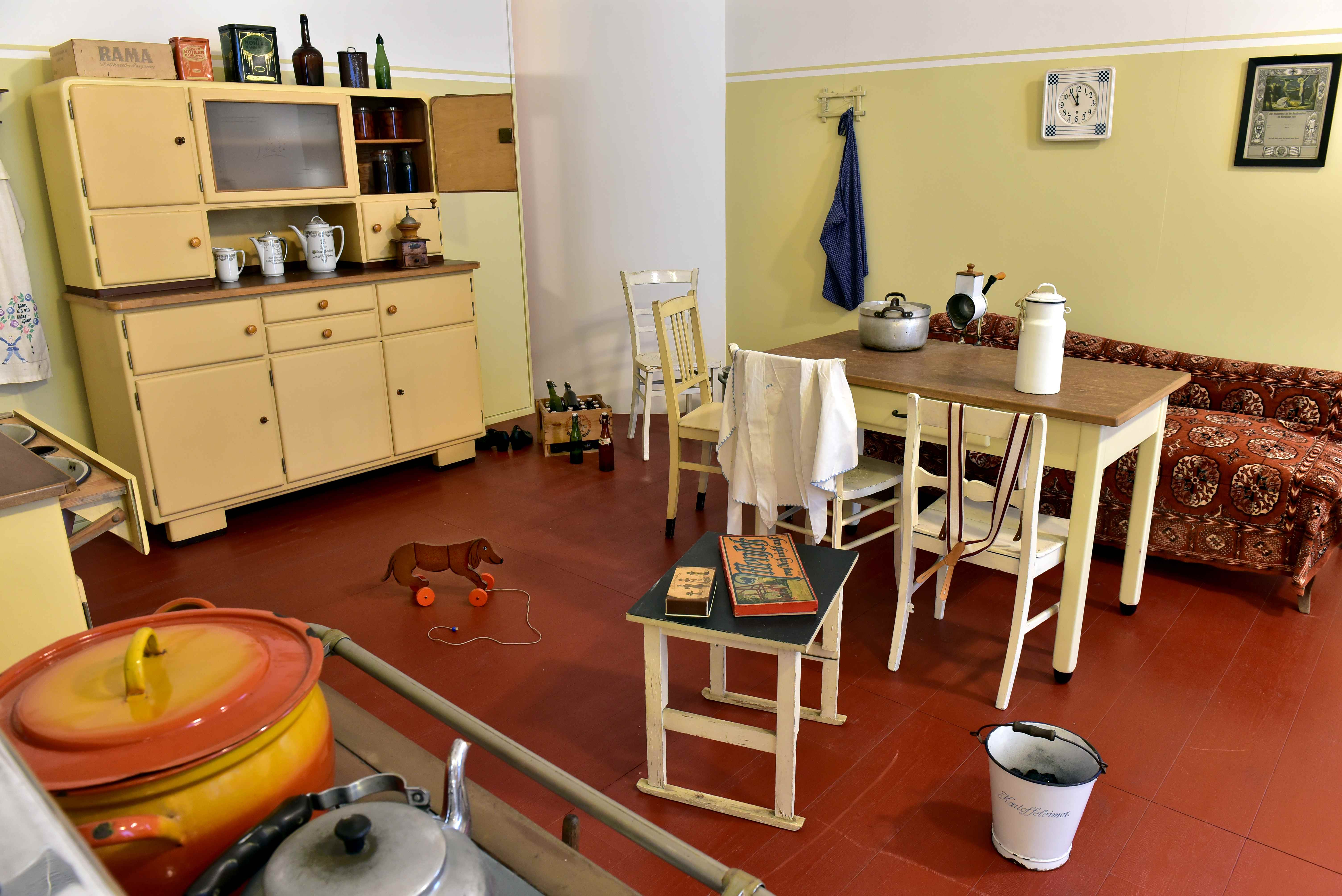
Kolonieküche 1920 bis 1950, © Gustav-Lübcke-Museum Hamm
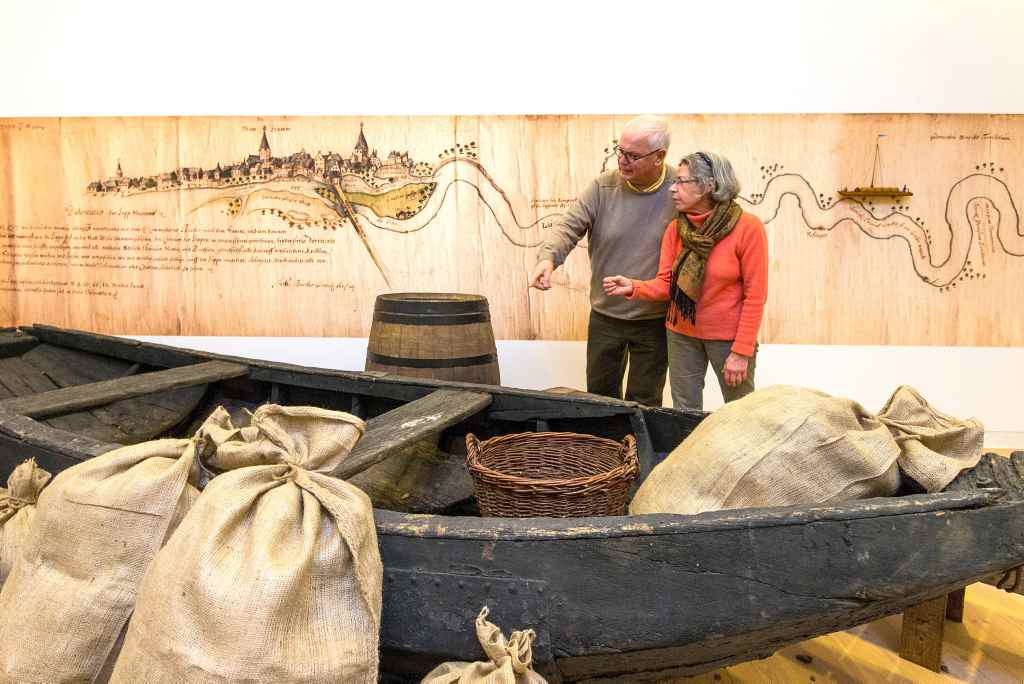
Bootstransporte auf der Lippe vor 1850; im Hintergrund: Silhouette der Stadt Hamm im Jahr 1707 (Landesarchiv Münster), © Thorsten Hübner, Stadt Hamm
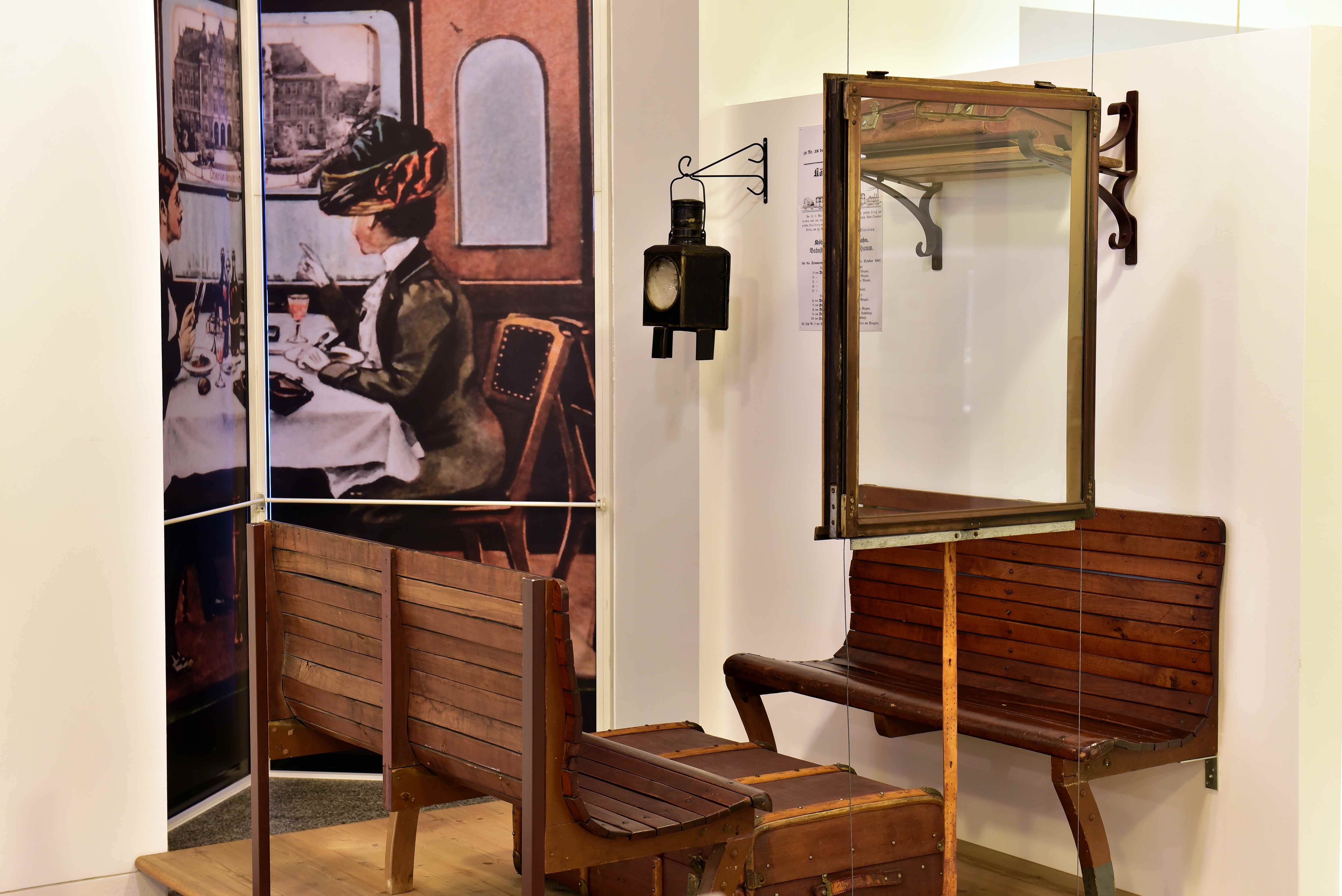
Zugabteil „Holzklasse“ , im Hintergrund Speisewagenszene (1915) mit OLG-Hamm im Fenster, © Gustav-Lübcke-Museum Hamm
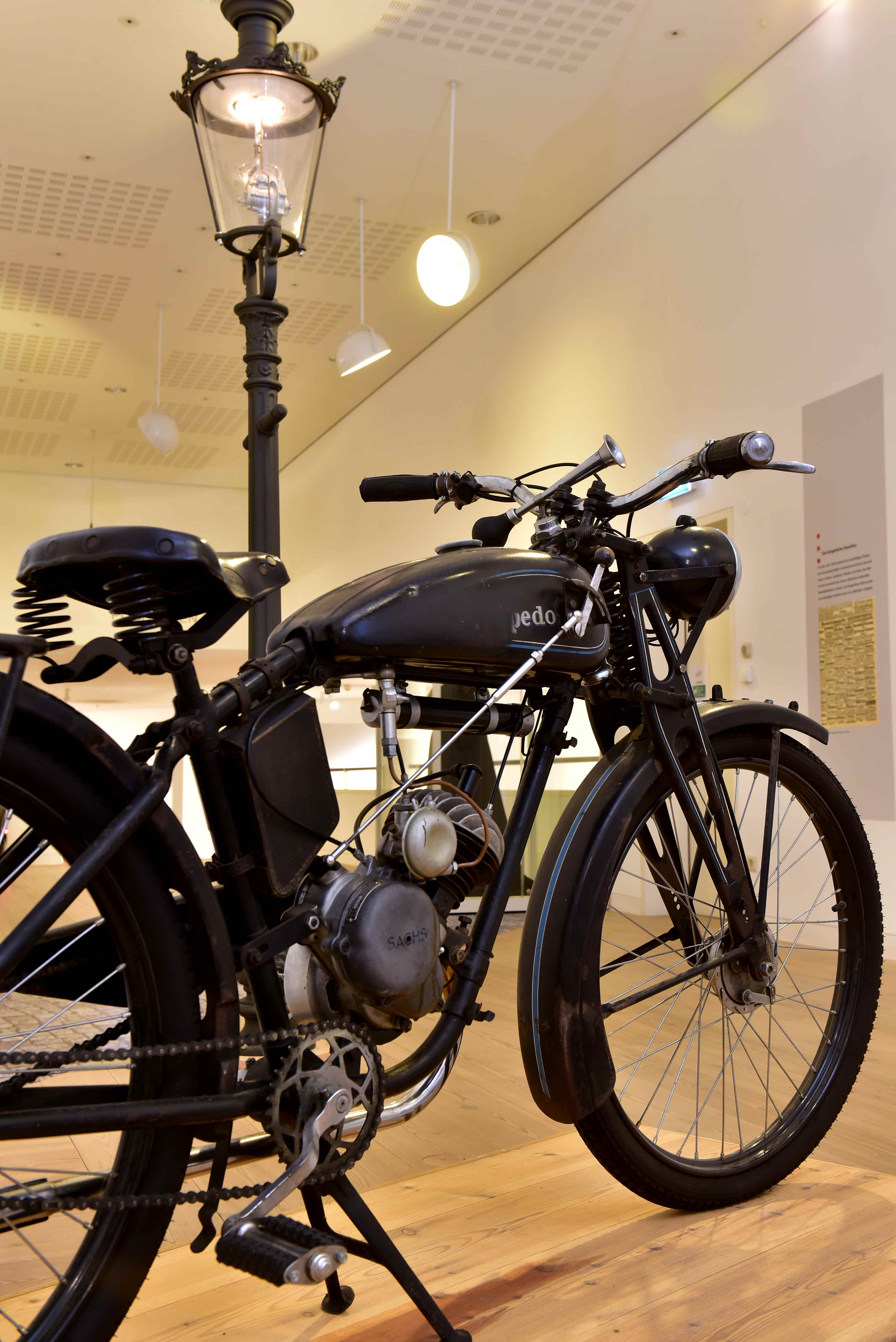
Torpedo-Moped 1950er und 1960er Jahre, Leihgabe, © Gustav-Lübcke-Museum Hamm
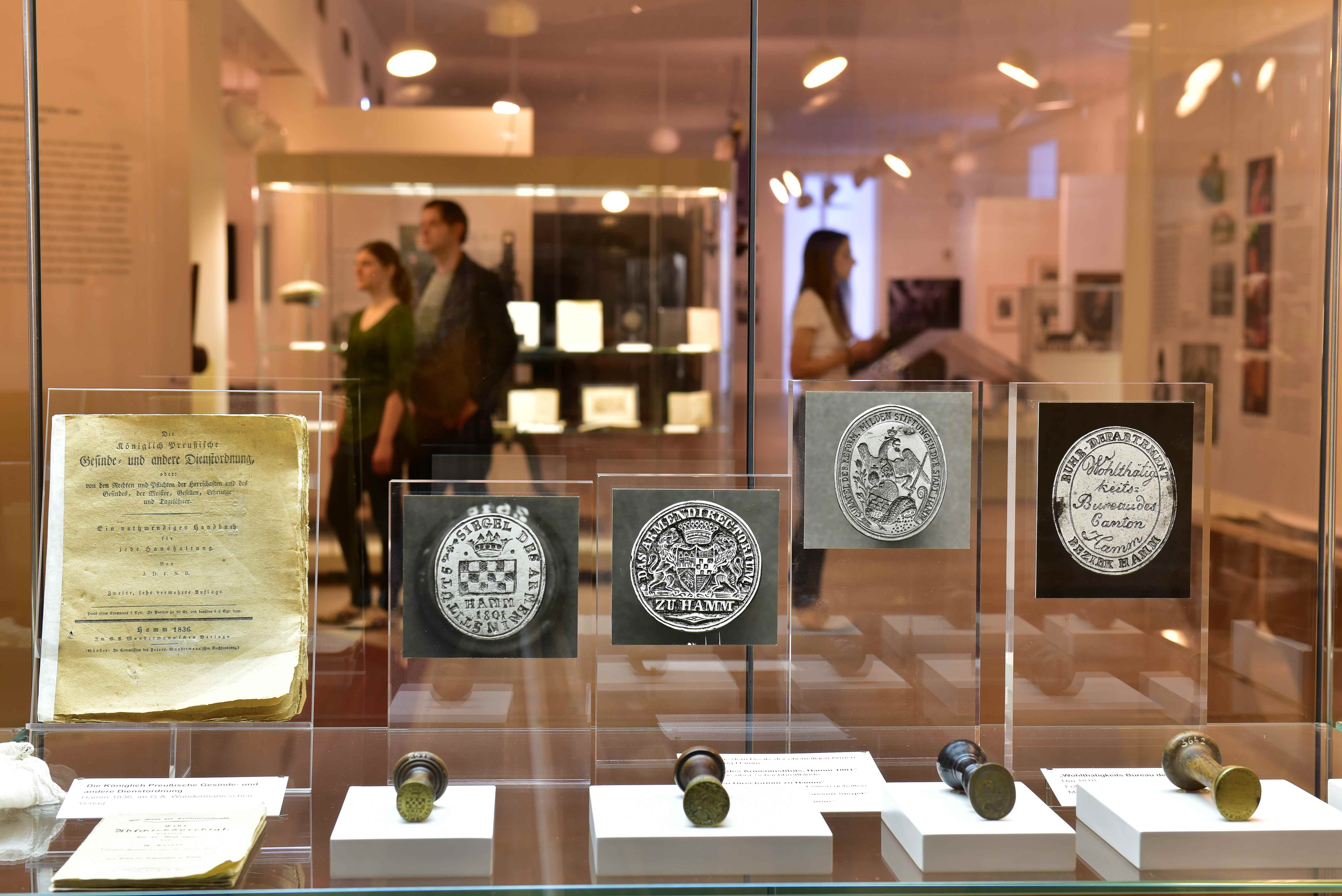
Siegel des Armendirektoriums Hamm 19. Jh. nebst Gesinde- und andere Dienstordnung Hamm 1836, © Gustav-Lübcke-Museum Hamm
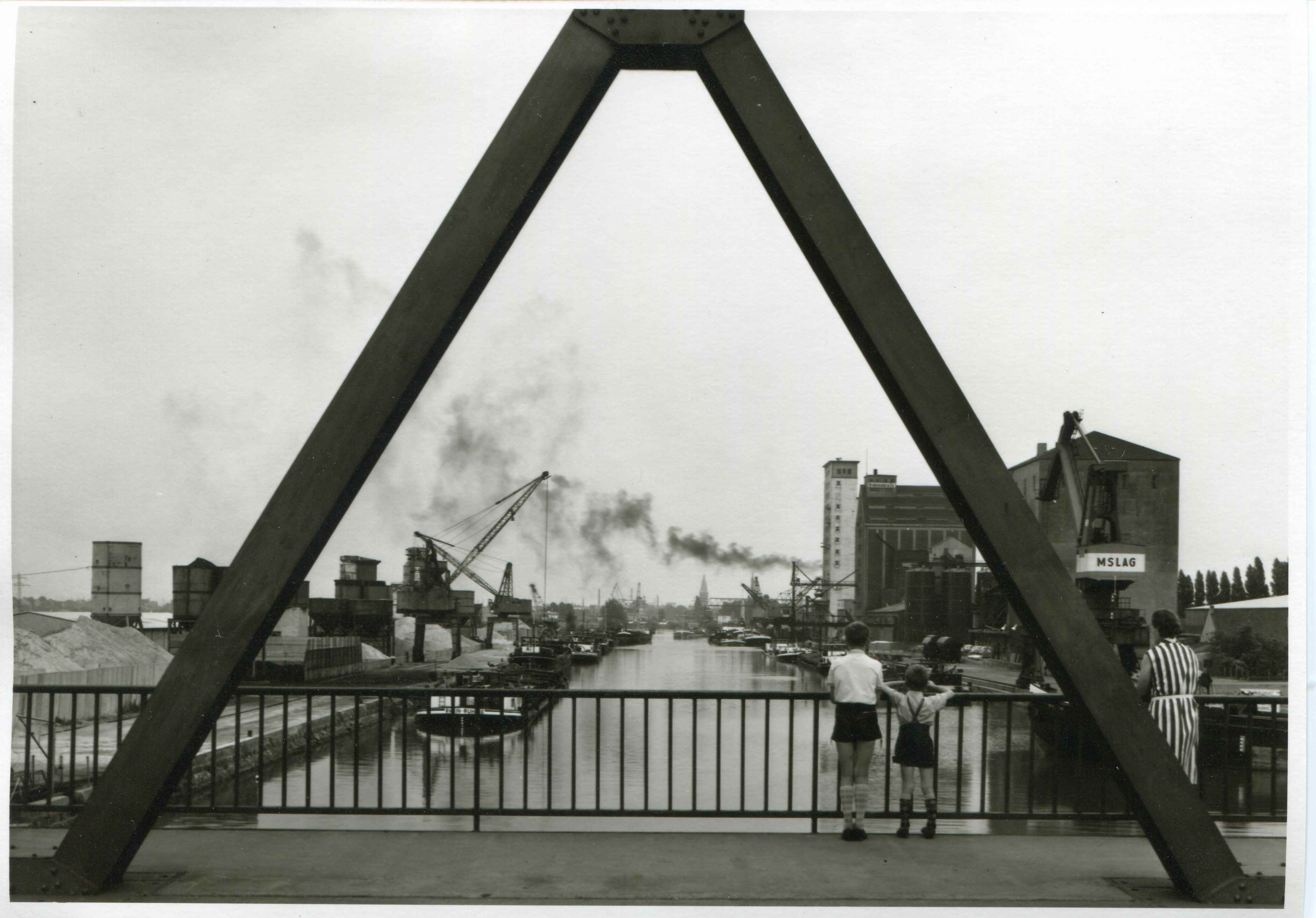
Blick von der Radbodbrücke in den Hafen um 1960; © Foto Josef Viegener, LWL-Medienzentrum Münster
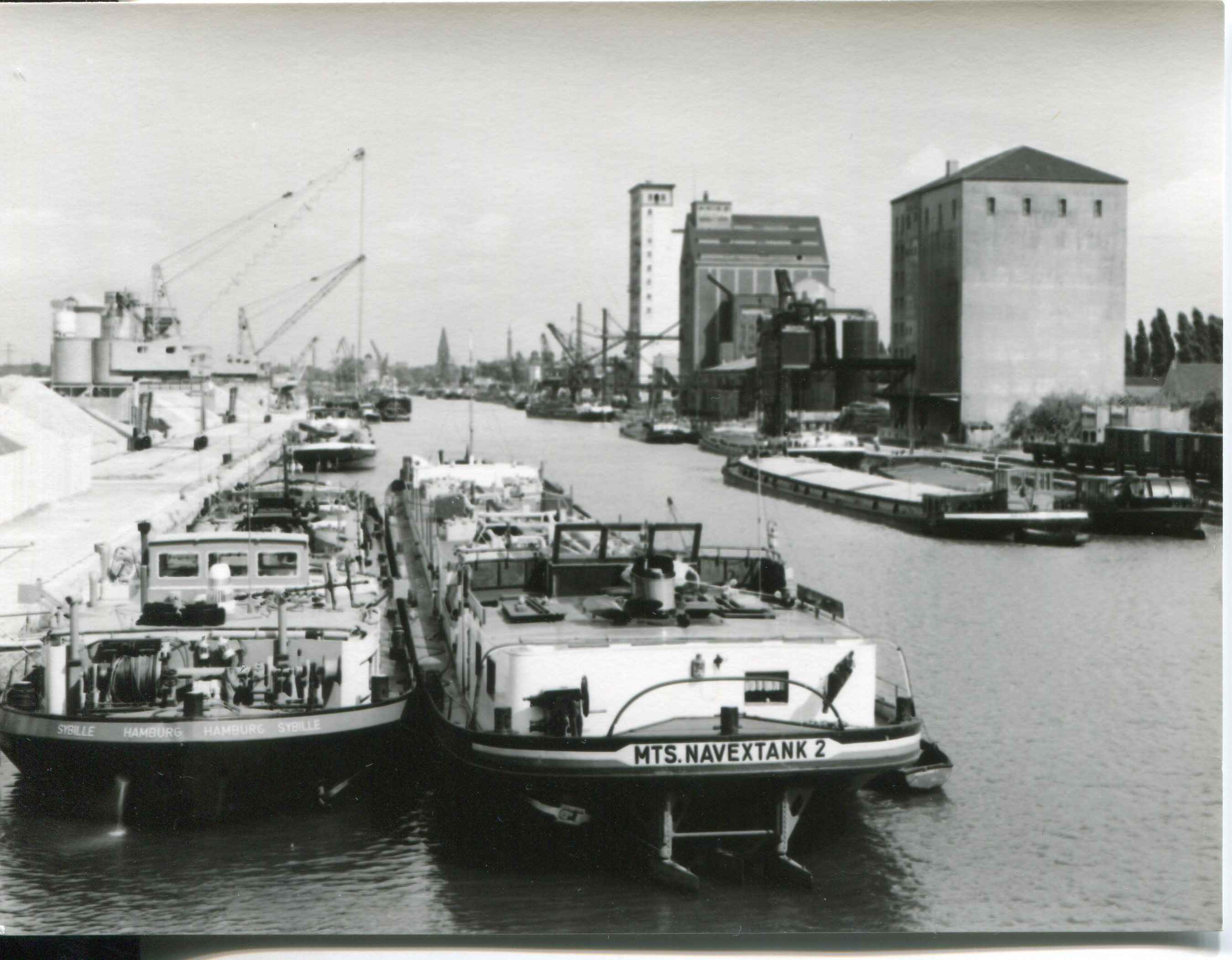
Hammer Hafen um 1970, Stadtwerke Hamm
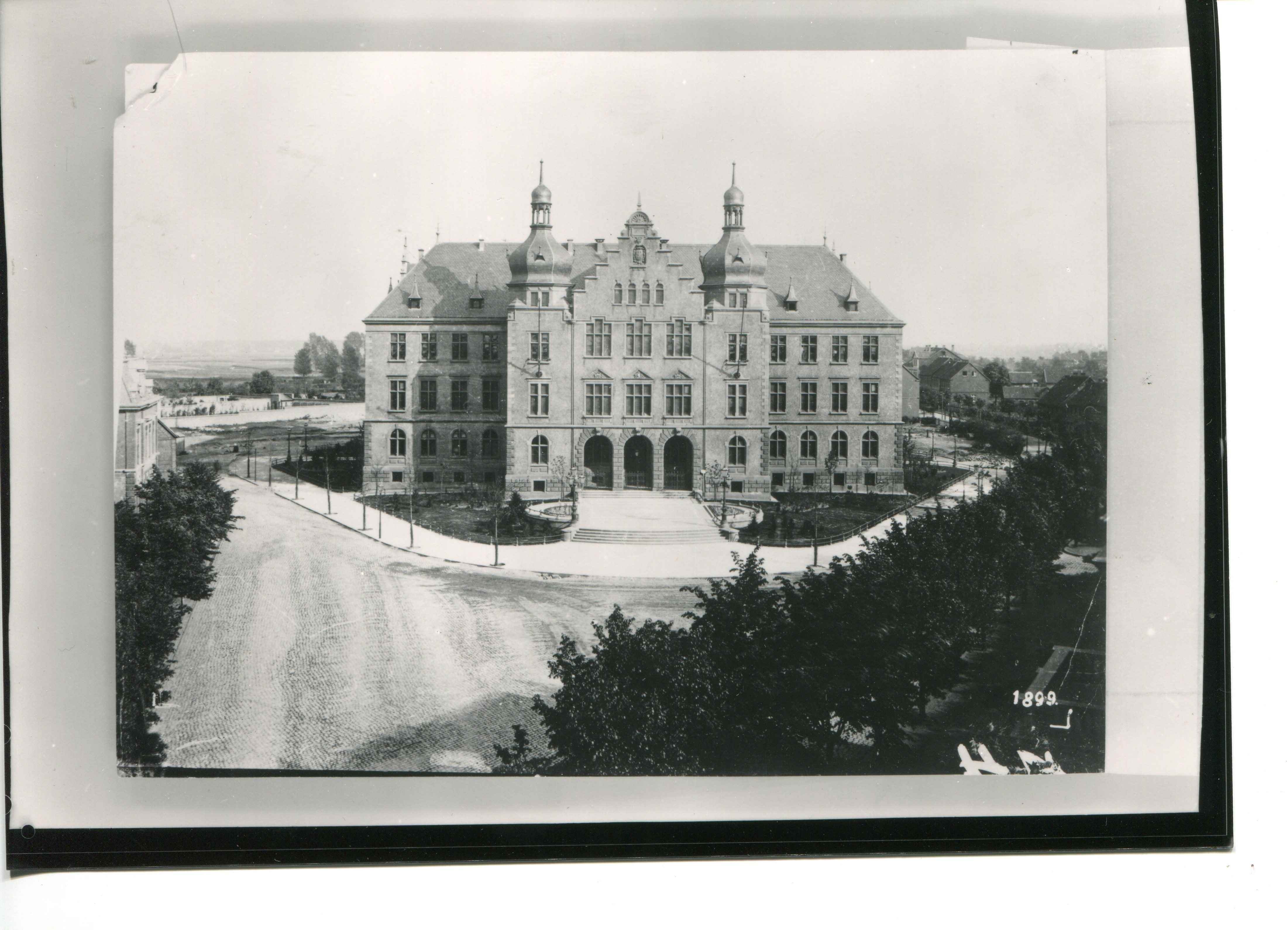
Oberlandesgerichtsgebäude heute Rathaus der Stadt Hamm, Foto um 1900
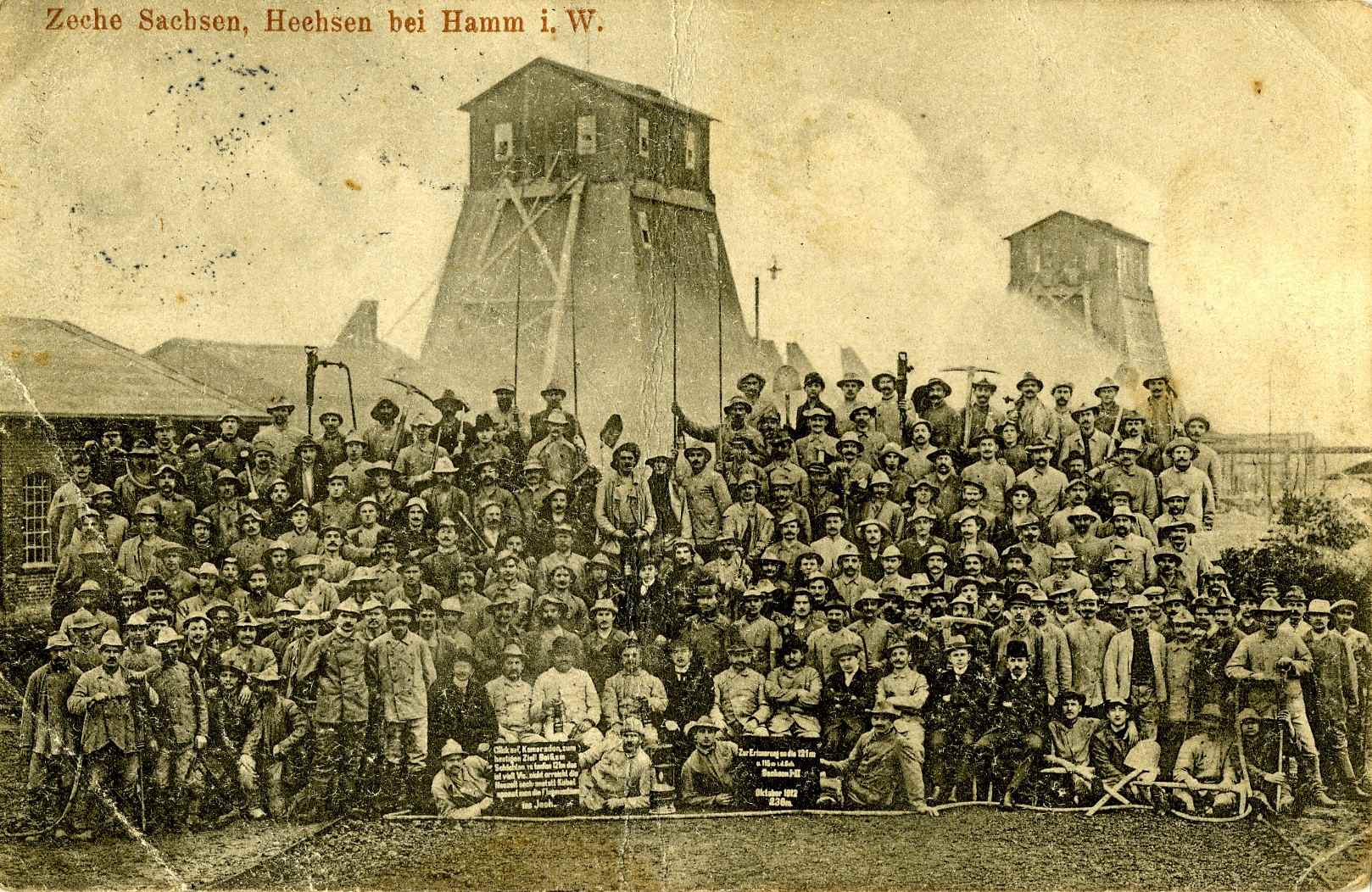
Abteufarbeiten in Heessen, Zeche Sachsen 1912
